
If you manage a commercial property in Seattle, you already know fire protection inspections aren’t optional—but figuring out exactly what needs to be done and when can get confusing fast.
Between fire alarms, sprinklers, backflow devices, and emergency lighting, each system has its own schedule. Miss something, and you’re not just out of compliance—you’re dealing with failed inspections, unexpected costs, and unnecessary stress.
Here’s a clear breakdown of what needs to be inspected, how often, and what to watch for.
Fire Alarm Inspections (At Least Annually)
Fire alarm systems are one of the most heavily regulated parts of your building—and for good reason.
Most commercial systems require:
- Annual inspection and testing
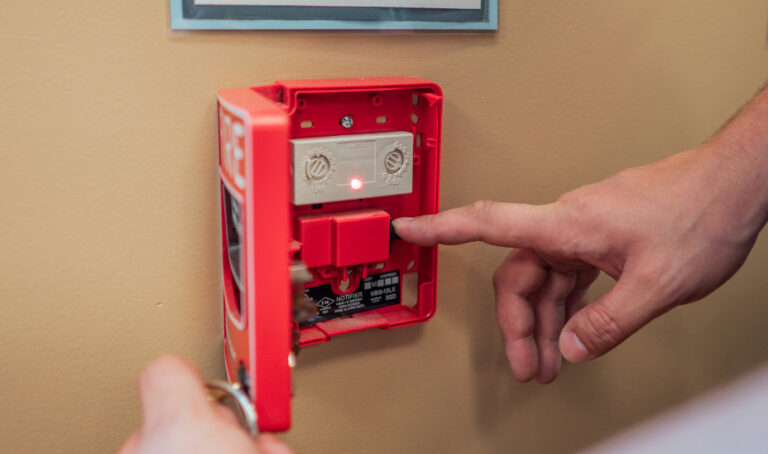
- Device checks (smoke detectors, pull stations, horns/strobes)
- Battery and communication testing
In Seattle, it’s not just about whether the system turns on—it needs to perform correctly across the entire building.
Where buildings run into trouble:
Devices that are outdated, improperly calibrated, or no longer communicating with the panel.
Fire Sprinkler Inspections (Quarterly, Annual, and Beyond)
Sprinkler systems don’t follow a single schedule—they require multiple inspection intervals throughout the year:
- Quarterly inspections
- Annual inspections
- 5-year internal pipe inspections
- 3-year full trip test (for dry systems)
Each of these plays a different role in keeping your system compliant and functional.
What we see most often:
Small issues building up over time—valves not fully open, gauges off, or components that haven’t been serviced regularly.

Fire Pump Testing (Monthly + Annual)
If your building has a fire pump, it requires consistent testing to ensure it will perform when needed.
- Monthly churn test
- Annual flow test
Some properties choose to handle monthly testing in-house—but only if their team has been properly trained.
Backflow Testing (Once Per Year)
Backflow devices protect your potable water supply and must be tested annually.
This is often treated as a separate service, but coordinating it with your other inspections can simplify scheduling and reduce missed deadlines.
Emergency Lights & Exit Signs (Annual Testing)
Emergency lighting is one of the most commonly overlooked systems—and one of the easiest ways to fail an inspection.
Requirements typically include:
- Annual 90-minute battery test
- Visual checks for placement and visibility
Burned-out bulbs, weak batteries, or blocked signage can all lead to deficiencies.
What Causes Failed Fire Inspections in Seattle?
In most cases, it’s not one major failure—it’s a combination of smaller issues:
- Missed inspection intervals
- Unresolved deficiencies from previous reports
- Multiple vendors with no coordination
- System changes from tenant improvements
When no one is looking at the full picture, things get missed.
Why More Properties Are Choosing One Fire Protection Partner
Many Seattle property managers are moving toward working with a single company for all fire protection services.
Why?
- Better coordination between systems
- Faster turnaround on deficiencies
- Clear communication and reporting
- Less risk of something slipping through the cracks
Instead of juggling multiple vendors, everything is handled under one roof.
Staying Compliant Doesn’t Have to Be Complicated
At AAA Fire Protection, we help property managers stay ahead of inspections by handling everything in one place:
From inspections and testing to repairs and system updates, our goal is to make fire protection compliance simple—and predictable.
Need Help Getting on Schedule?
If you’re not sure where your building stands—or you’re tired of chasing down multiple vendors—we’re here to help.