When people think about fire protection, they usually think of sprinkler systems, fire alarms, or fire extinguishers. Smoke control systems rarely get much attention—until there’s an emergency.
The reality is that smoke, not flames, is often the greatest threat to building occupants during a fire. That’s why smoke control systems play such an important role in protecting evacuation routes and helping first responders do their jobs safely.
For many commercial buildings in Seattle and throughout Western Washington, annual smoke control testing isn’t just a best practice—it’s a code requirement.
What Is a Smoke Control System?
A smoke control system is designed to manage the movement of smoke during a fire event. By controlling airflow throughout a building, these systems help keep stairwells, exit corridors, and other means of egress clear for occupants who need to evacuate.
Smoke control systems are commonly found in:
- High-rise buildings
- Healthcare facilities
- Mixed-use developments
- Parking garages
- Shopping centers
- Large commercial buildings
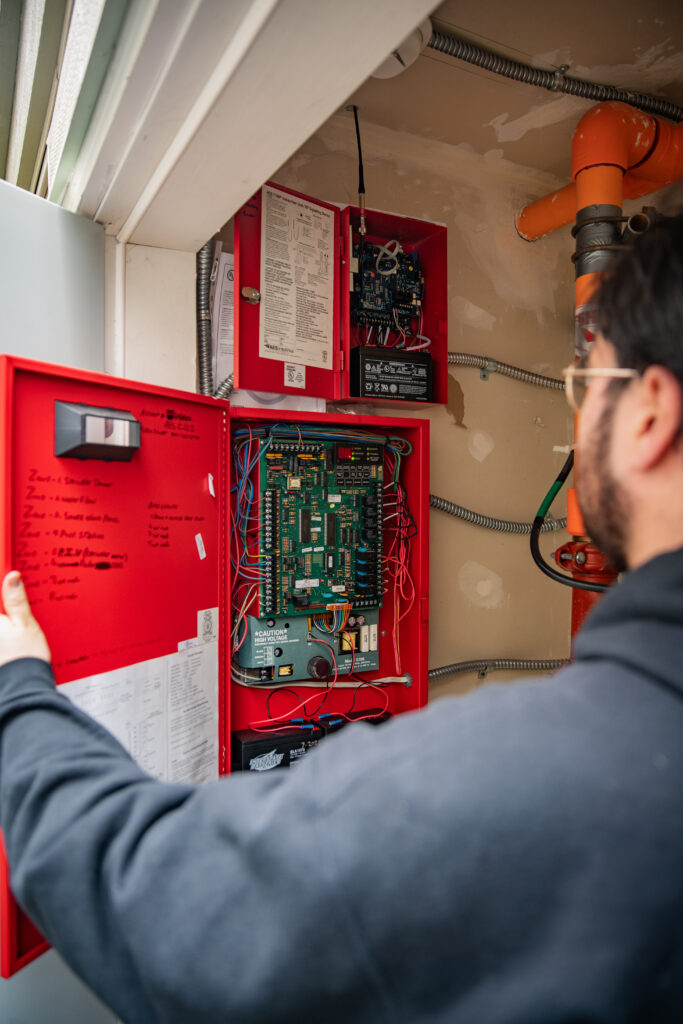
These systems often include a combination of fans, dampers, controls, sensors, and building automation components that work together when a fire alarm is activated.
Why Smoke Control Testing Is Important
Like any life safety system, smoke control equipment must be tested regularly to verify that it will perform as intended.
During a smoke control inspection, technicians may identify issues such as:
- Fans that fail to start or operate properly
- Dampers that do not open or close as designed
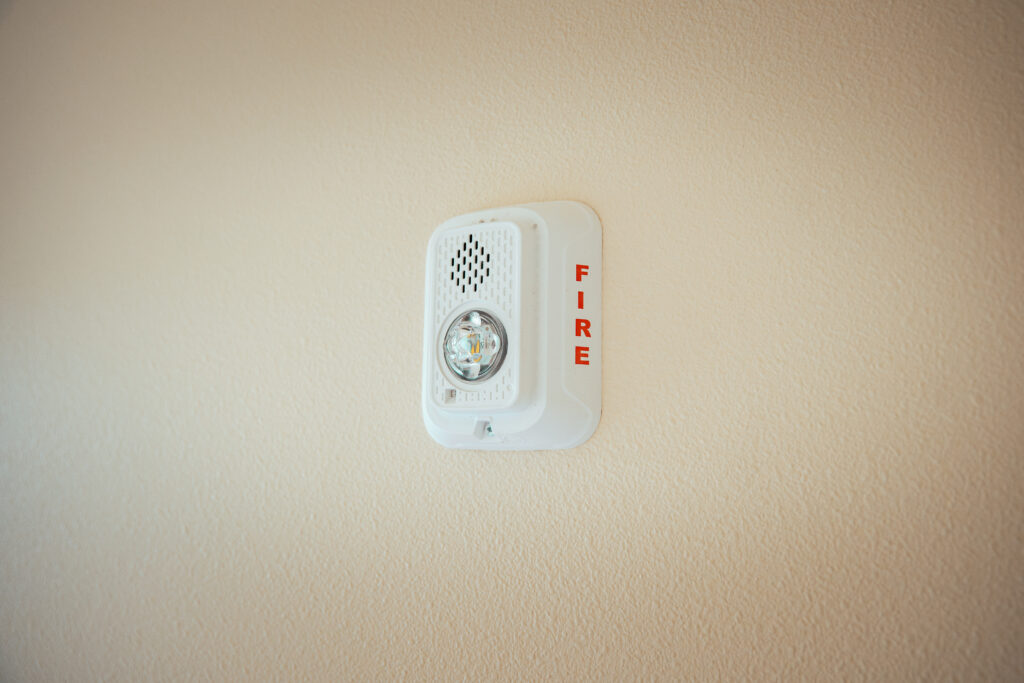
- Communication failures between fire alarm and smoke control systems
- Control panel issues
- Missing documentation or testing records
Even a single component failure can impact the overall performance of the system during an emergency.
Regular smoke control testing helps identify these issues before they become a safety concern and helps property owners maintain compliance with local fire code requirements.
What Happens During a Smoke Control Inspection?
A smoke control test typically includes verification of:
- Fan operation and performance
- Damper operation
- Fire alarm integration
- Stairwell pressurization systems
- Smoke exhaust functions
- System sequencing and controls
- Required documentation and reporting
The goal is to confirm that all components communicate properly and respond as designed when the system is activated.
Common Challenges for Property Managers
Many property managers are responsible for multiple fire and life safety systems, making it easy for smoke control testing to get overlooked.
However, smoke control deficiencies are frequently cited during inspections because these systems often involve multiple trades and building systems working together.
Staying ahead of required testing helps:
- Maintain code compliance
- Reduce the risk of violations and fines
- Support occupant safety
- Create accurate compliance records
- Minimize unexpected repair costs
Smoke Control Testing in Seattle and Western Washington
AAA Fire Protection provides smoke control testing, inspections, and documentation services for commercial, healthcare, multifamily, and high-rise buildings throughout Western Washington.
Our team works with property managers, facility directors, and building owners to help ensure smoke control systems remain compliant, operational, and ready when needed.
If you’re unsure when your last smoke control inspection was completed—or whether your building requires annual testing—our team can help review your requirements and develop a plan to keep your property in compliance.
Need smoke control testing or inspection services? Contact AAA Fire Protection today to schedule an evaluation of your smoke control system.