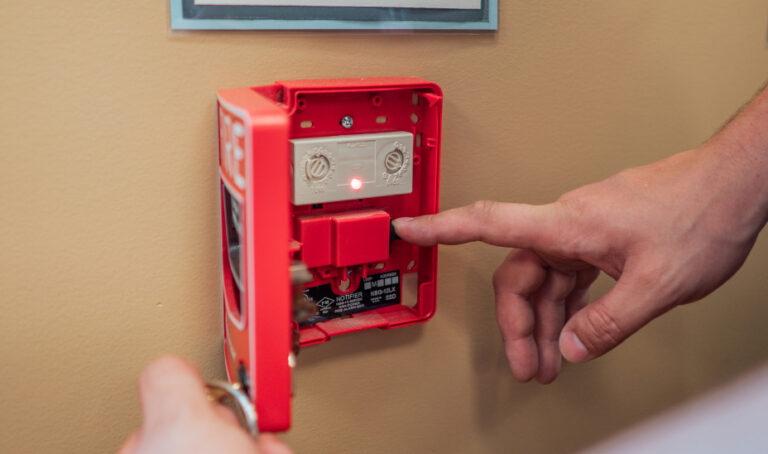

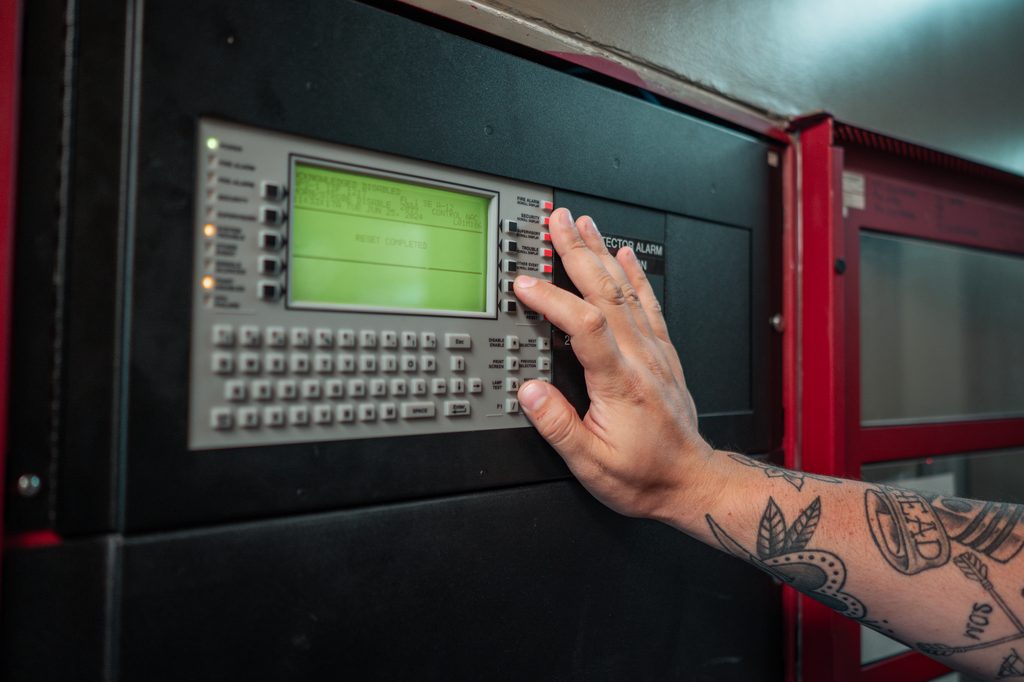
You’re walking through your building when you notice something flashing on the fire alarm control panel. Maybe there’s an intermittent beeping sound, a yellow indicator light, or a message that simply reads TROUBLE.
Now what?
For commercial property managers and building owners, fire alarm trouble signals can be frustrating, especially when the system appears to be functioning normally.
But that trouble signal is trying to tell you something.
At AAA Fire Protection, we provide commercial fire alarm inspections, testing, troubleshooting, and repairs throughout Seattle, Everett, Bellevue, Tacoma, and Western Washington.
Here’s what you should know about fire alarm trouble signals, what causes them, and when it’s time to call a professional.
What Does a Trouble Signal Mean on a Commercial Fire Alarm Panel?
A trouble signal generally indicates that something within the fire alarm system isn’t operating as intended or requires attention.
Unlike a fire alarm signal, which indicates a potential fire emergency, a trouble signal typically points to a system fault or abnormal condition.
Commercial fire alarm control panels may display messages such as:
- AC Power Failure
- Low Battery
- Communication Failure
- Ground Fault
- Device Missing
- Open Circuit
The specific message depends on the fire alarm system and the condition being detected.
It’s also important to understand the difference between three common types of signals:
Alarm: Indicates a potential fire or other condition requiring an emergency response.
Supervisory: Indicates an off-normal condition involving monitored equipment, such as a sprinkler control valve.
Trouble: Indicates a fault or issue that may affect the fire alarm system’s operation.
Each signal means something different, and understanding the distinction helps property managers respond appropriately.
Five Common Causes of Commercial Fire Alarm Trouble Signals
1. Backup Battery Problems
Commercial fire alarm systems typically rely on backup batteries to provide power when normal electrical service is interrupted.
Over time, batteries can deteriorate, lose capacity, or fail.
A low-battery or battery-related trouble signal may indicate that the batteries need to be inspected, tested, or replaced.
2. Power Supply Issues
A fire alarm system may display a trouble signal when it loses normal AC power.
Power outages, electrical issues, or problems with a dedicated circuit can cause these conditions.
While some power-related trouble signals may clear after power is restored, recurring issues should be investigated by a qualified professional.
3. Communication Failures
Many commercial fire alarm systems communicate with a supervising station through cellular, internet-based, or other approved communication methods.
When that communication is interrupted, the fire alarm panel may generate a trouble signal.
This is especially important because a communication failure can affect the system’s ability to transmit signals to the supervising station.
As older telephone infrastructure continues to change, some buildings may also need to evaluate whether their existing fire alarm communication equipment remains appropriate.
4. Wiring and Circuit Problems
Fire alarm systems contain wiring and circuits connecting control equipment, detectors, notification appliances, and other components.
Damaged wiring, loose connections, ground faults, or open circuits can cause trouble conditions.
These issues may require professional testing and troubleshooting to locate the source of the problem.
5. Malfunctioning or Missing Devices
Smoke detectors, heat detectors, modules, and other fire alarm components can develop faults over time.
A damaged device, failed component, or communication issue between a device and the control panel may trigger a trouble signal.
Identifying the affected device and determining the appropriate repair should be handled by a qualified fire alarm technician.
Can You Ignore a Fire Alarm Trouble Signal?
No. A fire alarm trouble signal should never be ignored.
Even if the building appears to be operating normally, the trouble condition may indicate that part of the fire alarm system is impaired.
Depending on the issue, the system may not perform every intended function until the problem is corrected.
For commercial properties, unresolved trouble conditions can also create concerns during inspections and may require action under applicable fire codes and local requirements.
Repeatedly silencing a trouble buzzer without addressing the underlying issue isn’t a solution.
The safest approach is to document the condition, follow your building’s established procedures, and arrange for qualified service.
If the condition represents a system impairment, appropriate notifications and protective measures may also be required.
When Should a Property Manager Call a Fire Alarm Technician?
If your commercial fire alarm panel is displaying a trouble signal, it’s important to determine what the message means and whether the system’s operation is affected.
Contact a qualified fire alarm service provider when:
- A trouble signal continues or repeatedly returns.
- The panel displays a communication failure.
- Devices or circuits are reporting faults.
- Backup battery or power supply issues are identified.
- The system has unresolved deficiencies from a previous inspection.
- You’re unsure whether the condition affects fire alarm system reliability.
A trained technician can evaluate the trouble condition, identify the underlying problem, and recommend the appropriate repair.
Property managers should avoid disconnecting devices, bypassing system functions, or attempting unauthorized repairs.
How Regular Fire Alarm Inspections and Maintenance Can Help
Not every fire alarm problem can be prevented, but regular inspections, testing, and maintenance can help identify deficiencies and equipment issues.
Commercial fire alarm systems require inspection, testing, and maintenance in accordance with applicable codes, standards, manufacturer instructions, and local requirements.
Routine service can help identify deteriorating batteries, device failures, communication problems, and other issues before they become larger concerns.
For property managers overseeing multiple commercial buildings, keeping inspection records and tracking outstanding deficiencies is especially important.
A proactive maintenance approach can help reduce avoidable disruptions and make future repairs easier to plan.
Commercial Fire Alarm Troubleshooting in Seattle and Western Washington
Whether you’re dealing with a recurring trouble signal, a communication issue, or an aging fire alarm system, having a knowledgeable fire alarm service provider makes a difference.
AAA Fire Protection provides commercial fire alarm inspections, testing, troubleshooting, maintenance, repairs, installation, and system retrofits throughout Seattle, Everett, Bellevue, Tacoma, and surrounding Western Washington communities.
We work with commercial property managers, facility managers, building owners, and contractors to help keep fire alarm systems operating as intended.
Need Help With a Fire Alarm Trouble Signal?
Don’t wait for a minor system issue to become a larger problem.
If your commercial fire alarm panel is showing a trouble condition, AAA Fire Protection is here to help.
Contact our team to discuss commercial fire alarm troubleshooting, testing, or repairs.
Request a Quote from AAA Fire Protection